Blog/
How many rigs does it take to hold a basin's production flat?
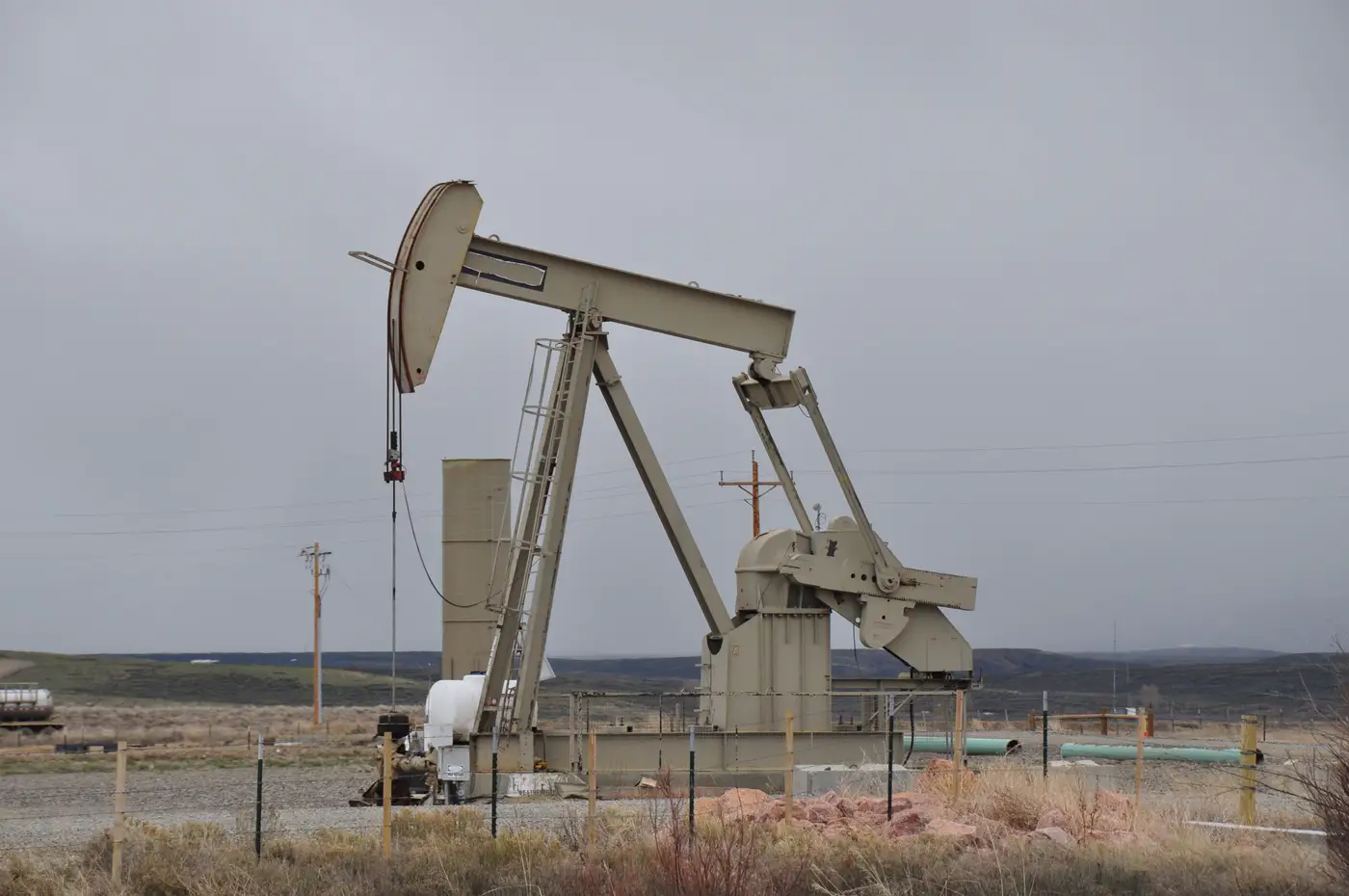
Every basin has a number nobody puts on a slide: the rig count required to do nothing more than stand still. Not grow production, just offset what the existing well stock is losing to base decline. Analysts call it the maintenance rig count, and it's the number that tells you whether an operator's current activity is adding barrels or just patching a hole.
The base decline treadmill, in plain math
Start with the basin's base decline rate, the percentage of production the existing well stock loses every month with zero new drilling. In a mature shale basin that's commonly running 6-8% monthly in the first year after a completion cohort peaks, tapering as the stock ages. Multiply that rate against current production to get the barrels you need to replace just to hold flat.
Then divide by what a new well delivers. Take the basin's current type curve, the average IP rate and the first 90 days of production from a representative completion, and you get barrels-per-well-per-month. Divide the decline barrels by that figure and you get wells needed. Divide wells needed by average spud-to-sales cycle time and you get the maintenance rig count: the fleet size that keeps output level, no more.
This is why "rig count is up" headlines mislead on their own. A ten-rig basin with a 4% base decline and strong type curves might need six rigs just to tread water. Add two more and you're growing modestly. Add the same two rigs in a basin with an 8% decline and worse type curves, and you're still losing ground.
Why the treadmill speeds up even when nobody changes anything
The maintenance number isn't fixed. It moves for reasons that have nothing to do with oil price:
- Well stock ages into its steepest decline years as a basin matures, pushing the base rate higher before it eventually flattens out.
- EUR per well erodes in infill-heavy zones as parent-child spacing effects show up, so each new well replaces less than the last one did.
- A completions backlog, DUCs waiting on a frac spread, temporarily decouples the rig count from actual barrels added. Rigs can be running while the maintenance math still fails because nothing's getting turned to sales.
That last point is the one that trips up a lot of rig-count-only tracking. An active rig count can sit right where the math says it should hold the basin flat and output still slips, because the bottleneck moved to completions. Tracking frac spread activity alongside rigs catches that shift months before the production data confirms it.
Where permit filings lag the real answer
Permit data tells you intent, not activity. An operator can file a permit and sit on it for a year, or drill under an old permit that says nothing about this month's actual spud. By the time a state agency's completion report or production data confirms what happened, the basin has often moved on to a different rig count entirely. Answering the maintenance-rig question in anything close to real time means counting what's standing on pads and running completions this month, not working from what was filed last year.
That's the gap a monthly satellite count against one AOI is built to close: pads, rigs and frac spreads counted for a named basin every month, so you're comparing this month's rig count to last month's instead of waiting on a filing cycle. You can see how that index is built on the Drilling Activity landing page.
A rough gut check
If you just want a sanity number before building the full model: take the basin's reported monthly decline in barrels, divide by average new-well IP rate times 90 days, divide by average cycle time in months. It won't match the engineering team's type-curve model, but it'll tell you fast whether the current rig count is adding barrels or running in place.
If that's the question you're chasing basin by basin, it's worth putting a count behind the guess.